This week's work ·
Brine the turkey, then dry the skin
A saltwater brine seasons the whole bird, and a night uncovered in the fridge crisps the skin. Here is the full method: the brine, the dry skin, the hot oven. The honest catch is the extra day of planning.
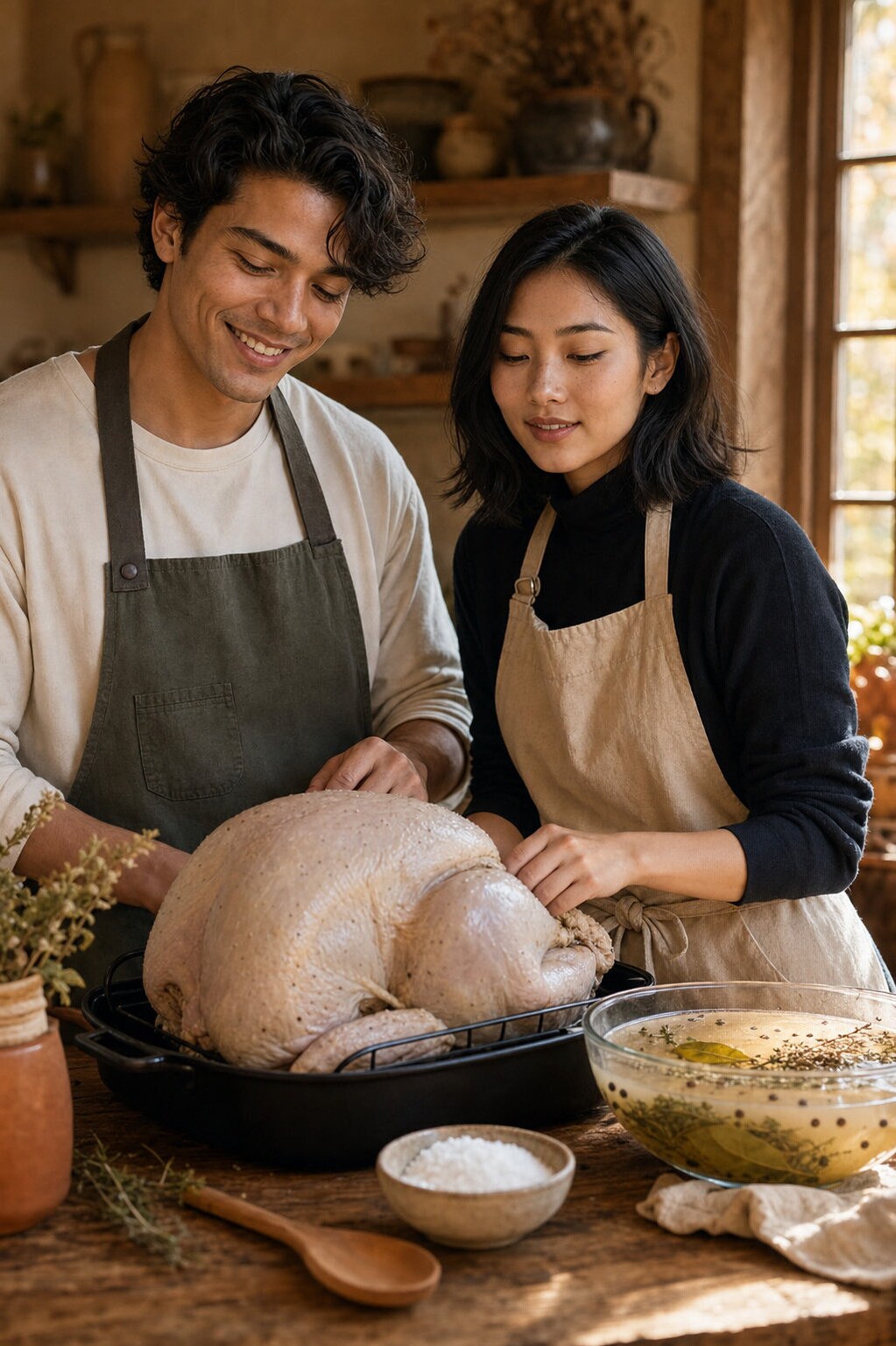
Most Thanksgiving turkeys are fine. Fine is the word everyone uses at the table while they reach for the gravy boat. A brine is the simplest way past fine: a lot of salt, a full day in the fridge, and a roast that is seasoned all the way through.
The method is simple enough to write on one card. Salt, water, a few aromatics, and time — the brine seasons the meat all the way through instead of just on the surface, so the white meat stays juicy even when the oven runs long. The step people skip is the dry skin: after the brine, the bird rests uncovered in the fridge overnight so the skin tightens and crisps in the heat. Skip it and you get a well-seasoned bird with flabby skin.
The honest catch is the planning. A twelve-pound turkey needs up to a day in the brine and another night to dry, so for a Thursday dinner the brine goes on Tuesday. Set a reminder for Monday evening and it all fits. The payoff is a bird that doesn't need a single apology at the table.
The bird roasts on a rack in a deep pan, breast side down for the first hour and a half so the dark meat catches up, then breast side up for the finish. The drippings become the gravy, and the gravy is often the best part of the meal. That's the whole argument for doing it right.
The brine seasons the meat all the way through, so the white meat stays juicy even when the oven runs long.
02 · The recipe
The Thanksgiving Turkey Brine and Roast
A saltwater brine with aromatics, a night of dry skin in the fridge, and a hot-oven roast in a deep cast iron pan — the method that takes a turkey from fine to the best part of the meal.
- Prep
- 30 min
- Cook
- 3 hr
- Total
- 3 hr 30 min
- Yield
- 1 turkey, 12–14 pounds
What you'll need
Non-perishable
- 1 cup kosher salt
- 1/2 cup brown sugar
- 4 quarts cold water, divided
- 2 bay leaves
- 1 tablespoon black peppercorns
- 1/2 cup olive oil
- 2 cups chicken broth, from bouillon
- 1 tablespoon avocado oil
Perishable
- 1 whole turkey, 12–14 pounds, thawed
- 1 head of garlic, halved crosswise
- 1 bunch fresh thyme
- 1 lemon, halved
Useful equipment
Method
- Make the brine: dissolve the kosher salt and brown sugar in 2 quarts of warm water in the cocotte, then pour it into a brining bag or a clean cooler and add the remaining 2 quarts of cold water, the garlic, thyme, bay leaves, peppercorns, and lemon. Submerge the turkey, seal or cover, and refrigerate for 18–24 hours.
- The next day, lift the turkey out of the brine, rinse it well, and pat it completely dry with paper towels. Set it on a rack over a tray and leave it uncovered in the fridge overnight — dry skin is what turns crisp in the oven.
- Heat the oven to 425 degrees. Rub the turkey all over with the olive oil, tuck the wing tips under, and set it breast side down on a rack in a deep cast iron pan with 1 cup of the chicken broth in the bottom. Roast for 45 minutes, then lower the oven to 350 degrees and roast 45 minutes more.
- Flip the turkey breast side up, brush the skin with the avocado oil, and continue roasting until the thigh registers 165 degrees, about 1 to 1 1/2 hours more. If the skin darkens too fast, tent it loosely with foil.
- Rest the turkey on a carving board for 30 minutes before carving. Meanwhile, set the pan over medium heat, add the remaining broth, and scrape up the browned bits for the gravy.
03 · Linked objects
The things worth mentioning.
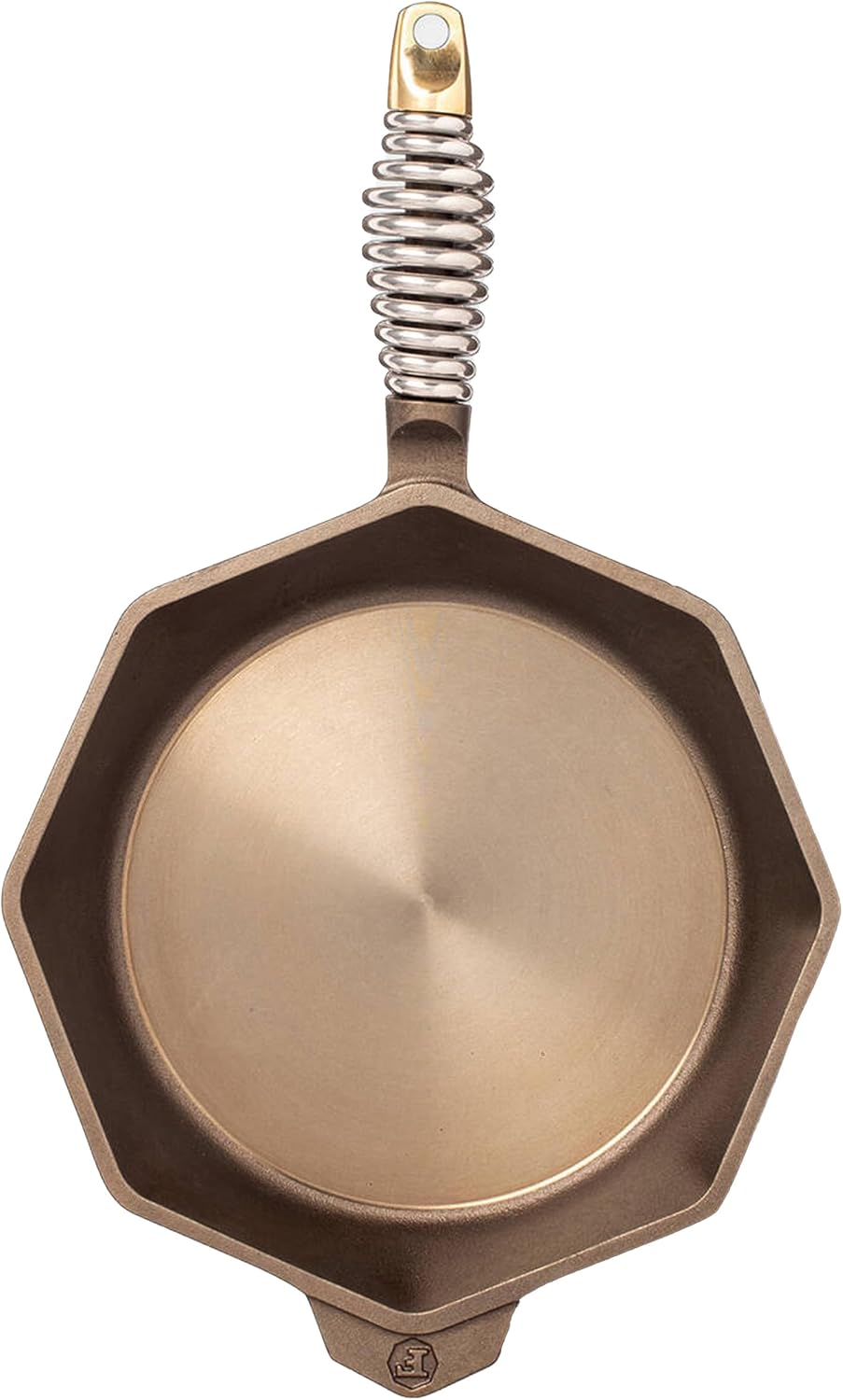
FINEX 10-Inch Cast Iron Skillet Without Lid
A ten-inch skillet will not hold a whole turkey, so this is not the roasting pan. It is the pan for the gravy if your roaster can't go on the stove.
Why we loved it: We love the smooth cast-iron cooking surface: food releases cleanly, heat stays even, and regular seasoning deepens into a durable patina. That steady heat suits crisp searing, browned butter, braises, and hot-oven work.
Worth knowing: It costs more than a standard cast iron pan, and it is heavy. Worth it if you cook in cast iron most days.
See the exact item on Amazon 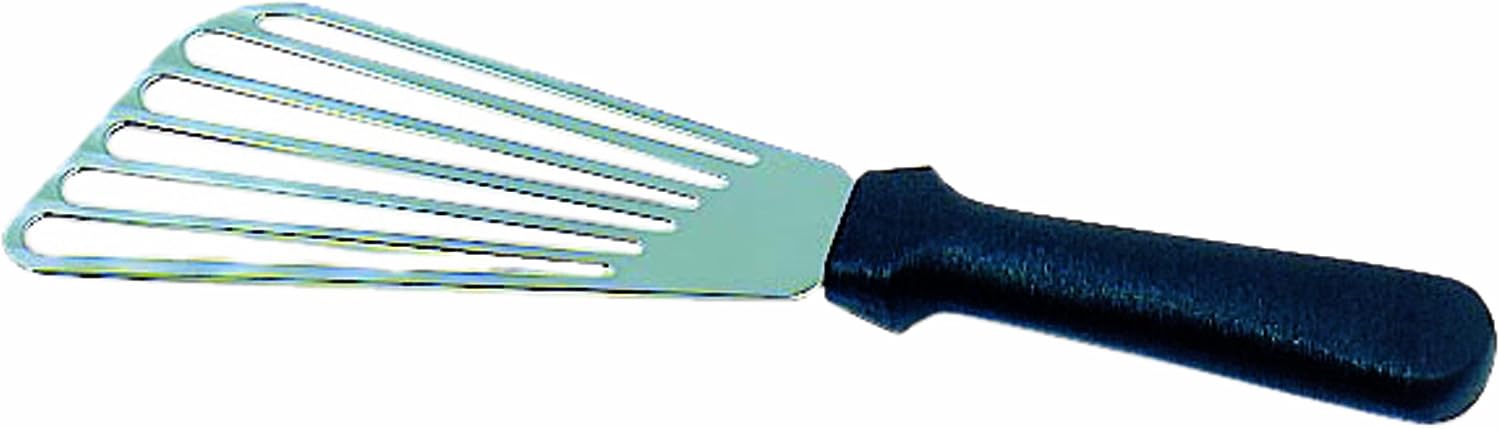
Matfer Bourgeat Stainless Steel Fish Spatula/Turner
A thin, flexible turner is the difference between intact food and a pile of mush. This one does the job beautifully.
Why we loved it: The flexible blade lifts fragile things without crushing them, and the offset handle keeps your hand clear of the pan. Here it scrapes up the browned bits in the pan for the gravy.
Worth knowing: Hand-wash only, and the thin blade needs a careful hand for heavier foods.
See the exact item on Amazon 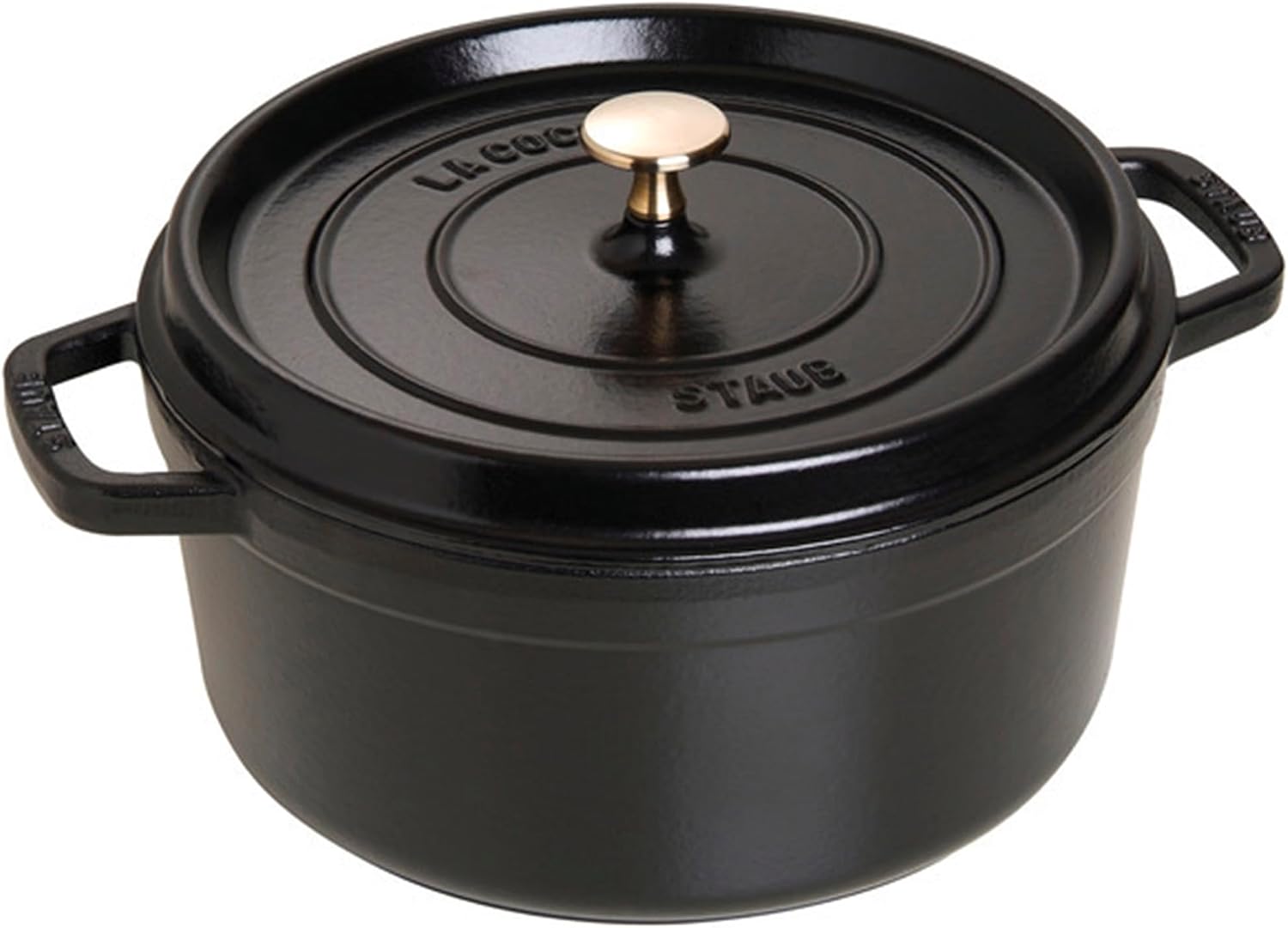
Staub 5.5-Quart Round Cocotte, Matte Black
The 5.5-quart cocotte is for dissolving the salt and brown sugar. The turkey itself needs a bigger container for the brine, such as a brining bag or a clean cooler.
Why we loved it: We love a pot that sears hard, holds a low oven steady, and moves from stovetop to table without fuss. The self-basting lid helps keep moisture in, and the heavy base holds its heat.
Worth knowing: It's heavy — a two-hand job when full — and enameled cast iron needs gentle handling and hand washing. Skip it if you want a lightweight pot.
See the exact item on Amazon 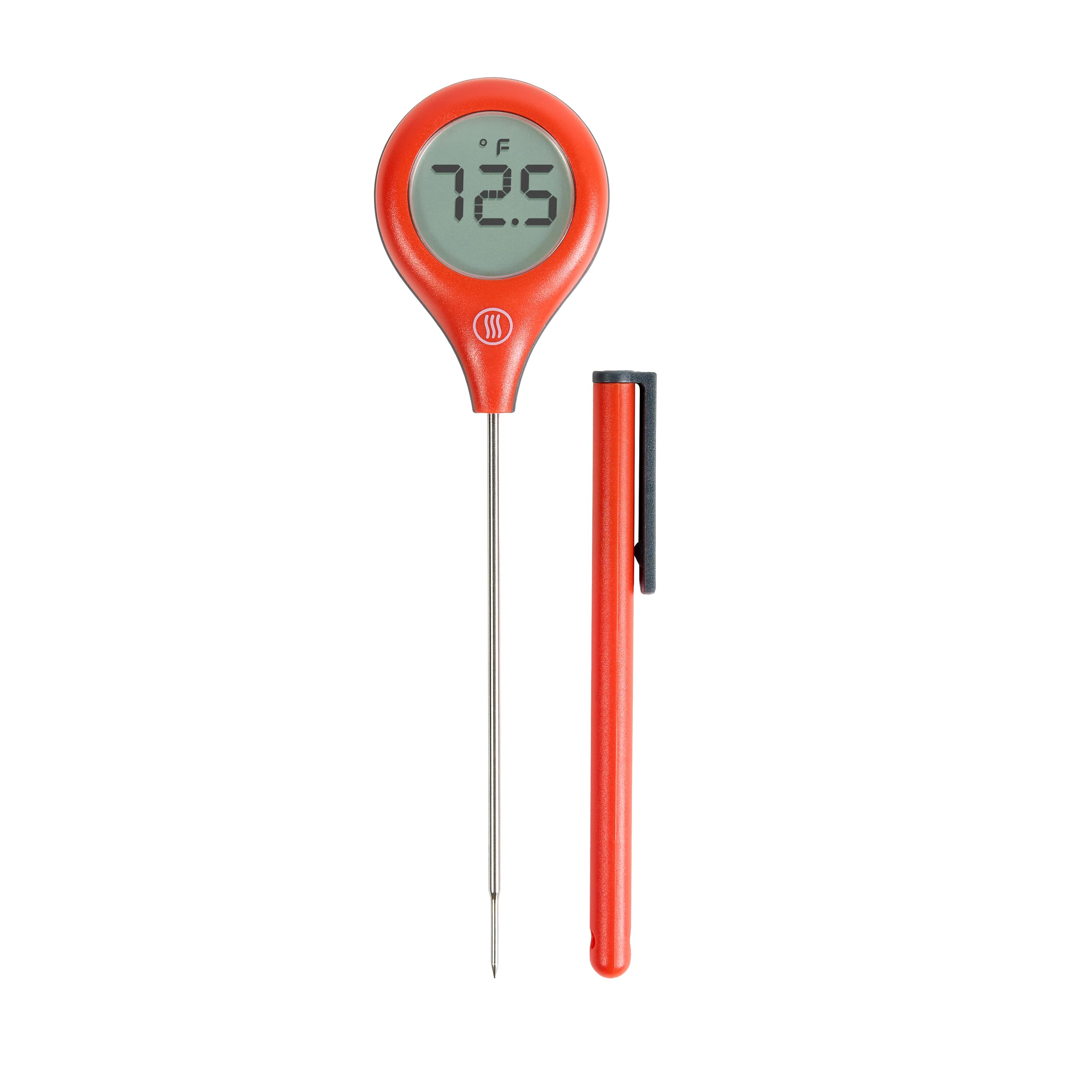
ThermoWorks ThermoPop 2 Instant-Read Thermometer
The instant-read thermometer verifies the thigh reads 165°F — the mark the method gives for a fully cooked turkey.
Why we loved it: We love a fast two-to-three-second read, a waterproof build that tolerates the sink, and a display that rotates for either hand. It's a strong-value instant-read thermometer because it ends guesswork without fuss.
Worth knowing: It's a check-in tool, not a leave-in thermometer — the probe folds away and won't sit in a roast while it cooks.
See the exact item on Amazon - T